
5 Tips on How to Include Japanese Zen Style Architecture Influences in Your House Design
When you are planning to build a new home it’s worth considering modern Japanese zen style influences in your architectural design. Theissen Cooper Architects is an architecture firm located in the Dutch Caribbean and Suriname; our architects love finding inspiration in Japanese architecture, and this blog article will give you a good idea why.
Zen means meditation in Japanese. Zen influences architects to focus on designing an atmosphere of relaxation and simplicity. In this article, we have mentioned 5 key principles to achieve this.
1. Minimalist Design
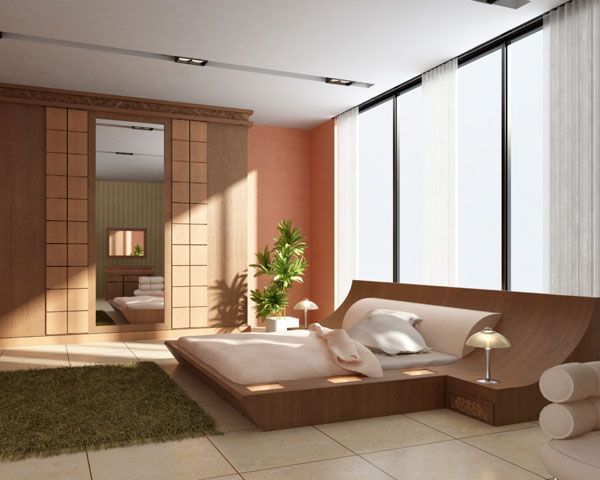
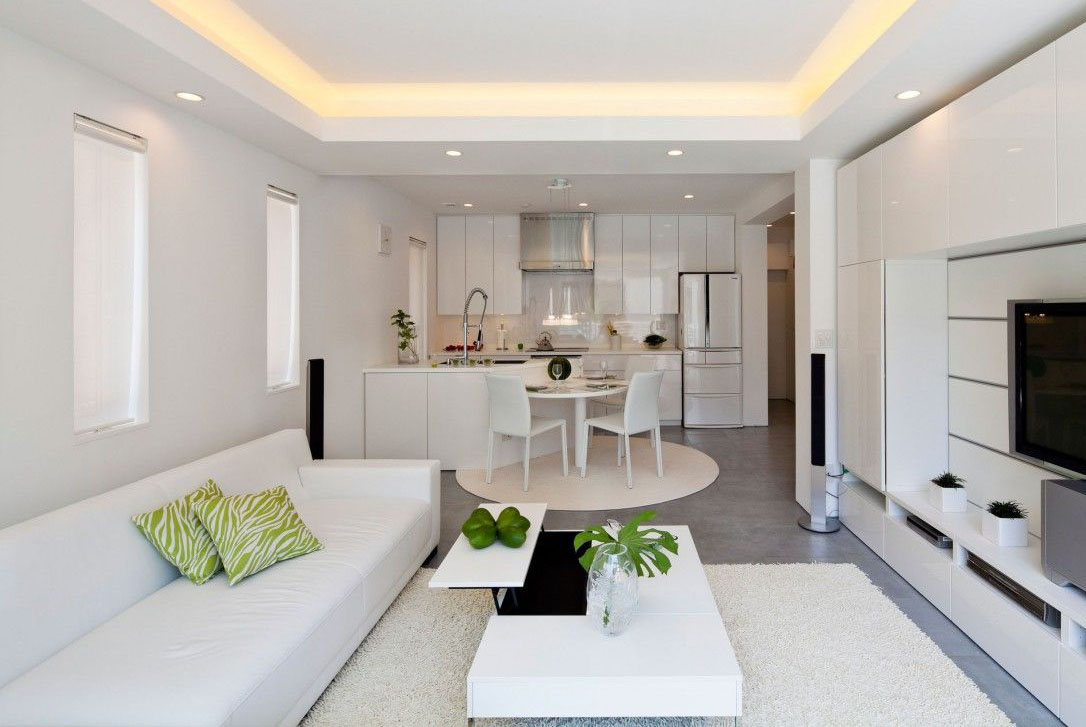
Less is more in Japanese zen style homes. The first and foremost principle of achieving this sleek and elegant look is by keeping it minimal. As a modern architectural firm, we believe fewer objects prevent spaces from looking cluttered.
We incorporate built-in storage features for our clients when planning this look. This way fewer things are on display which gives a feeling of openness. Built-in storage solutions are a practical and innovative feature that adds to your home’s worth.
2. Low Profile Furniture
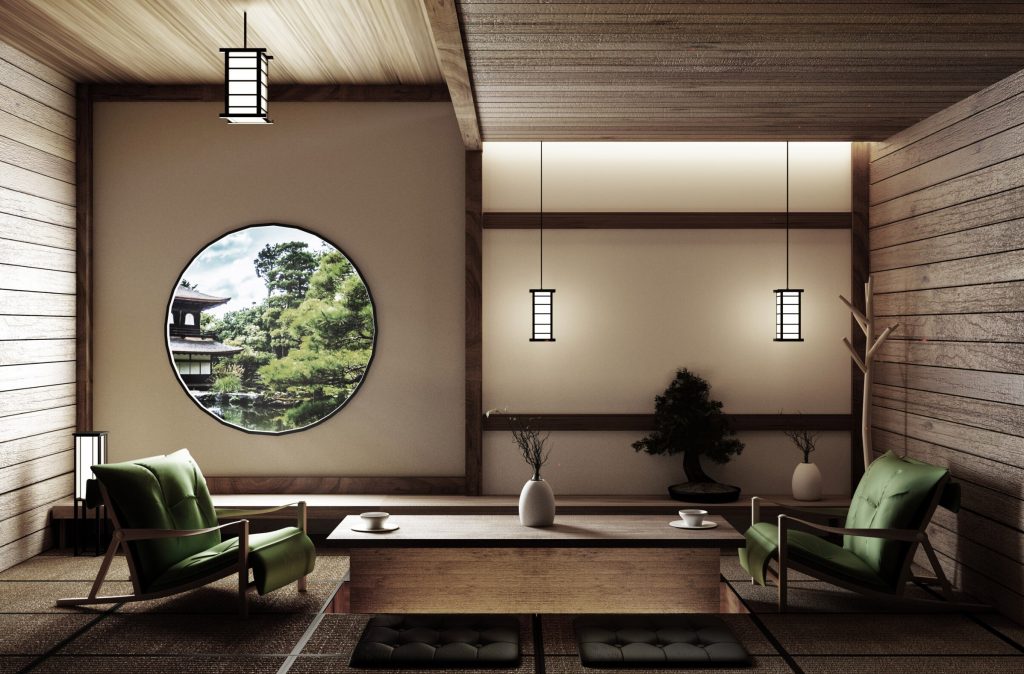
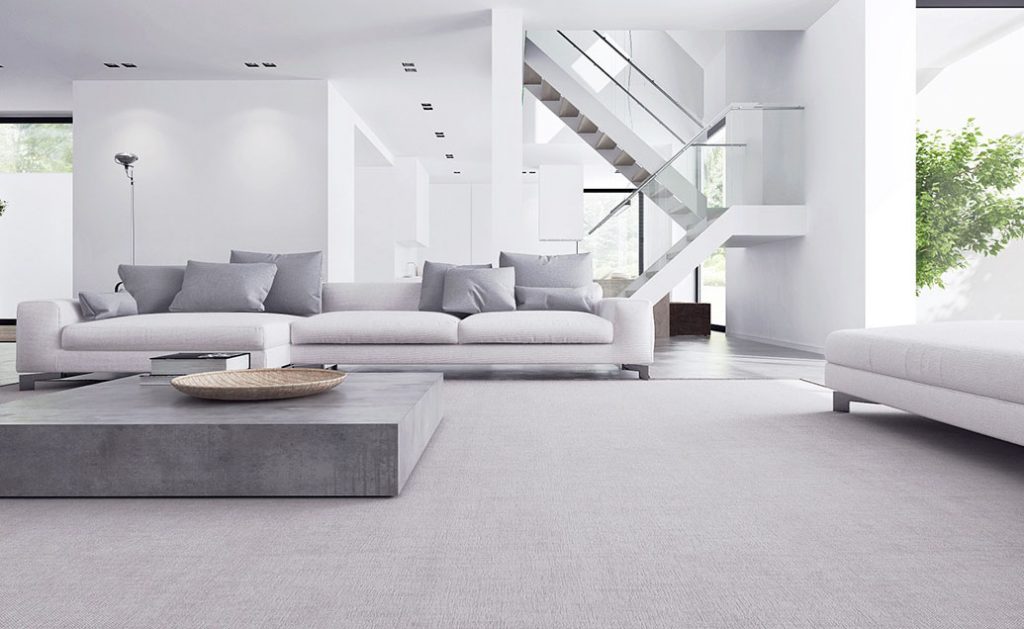
Asymmetry goes well in Japenese Zen Style, but without any compromise to the balance. The irregularity of the furniture or its positioning will give an effortless and natural harmony to the surrounding. This dynamic feature prevents the viewer from getting bored by repetitive and predictive settings.
According to us, low profile furniture plays a crucial role in creating a light and free home. It also enables other design features to be highlighted, such as drop ceiling lighting or an interesting staircase. Another plus is that it makes your home look bigger and spacious too.
3. Materials for Japenese Zen Home
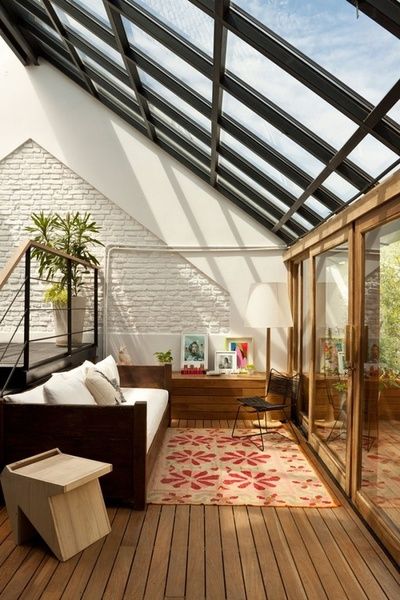
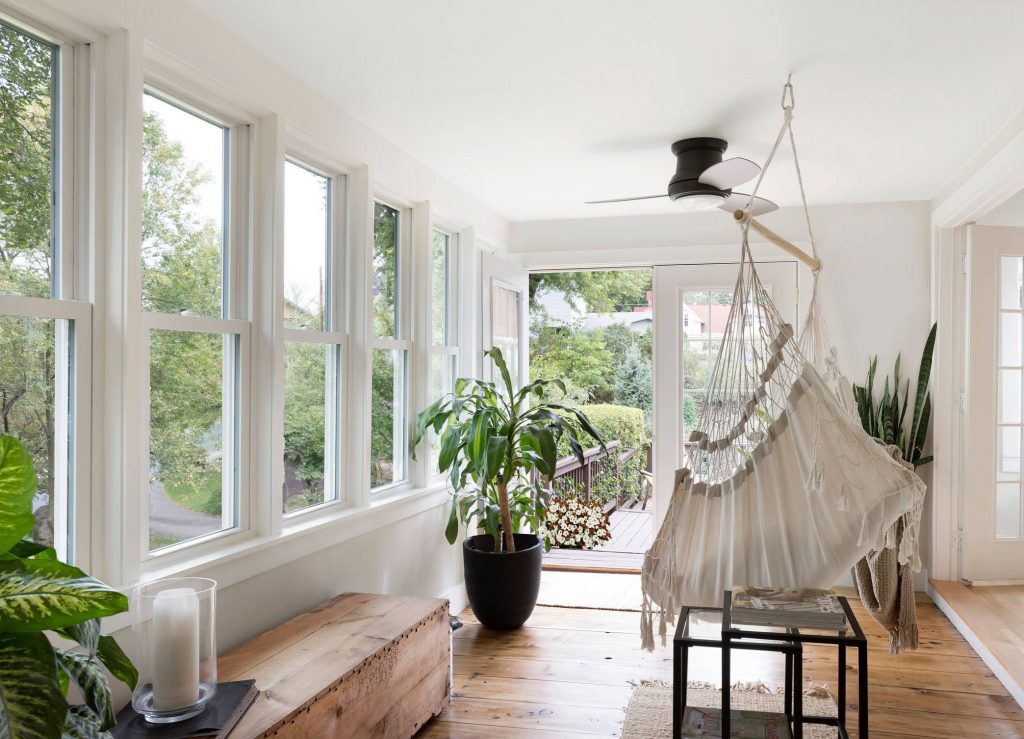
Wood is the predominant material used across Japanese zen style homes due to the zen philosophy of keeping everything natural. Our architectural team makes sure that all natural materials are high quality and durable throughout the years – crucial for a good home resale value.
Timber is the first choice in many Japanese-inspired homes due to its strong color. Timber’s strong color property makes the use of paint and other complicated wallpaper designs unnecessary. This makes it a budget-friendly material too.
For flooring, bamboo, wooden plank, or stone flooring would be suitable. Options for walls would be a stucco paint wall, wooden slate wall, or a natural vertical/horizontal garden. Even for the ceiling, wood will work well.
A Plain white ceiling is also an option if you don’t want to use wood. Glass ceiling proves very aesthetically pleasing in this home structure, but also expensive. They are also harder to maintain. Even a self-cleaning glass roof needs cleaning at times. Choosing materials can be challenging which is why you should contact professionals for it.
4. Colors in Zen Interior
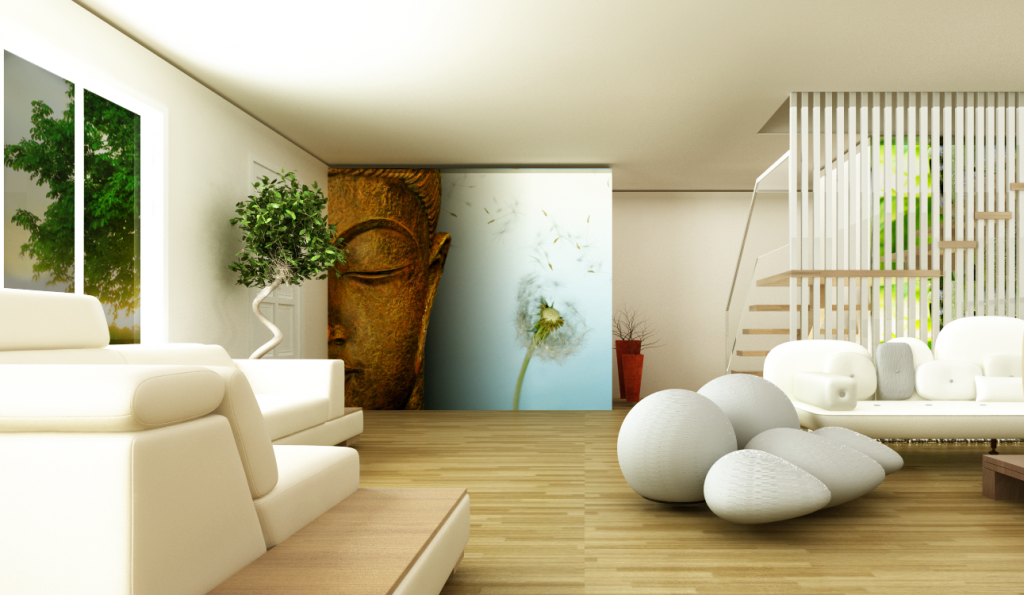
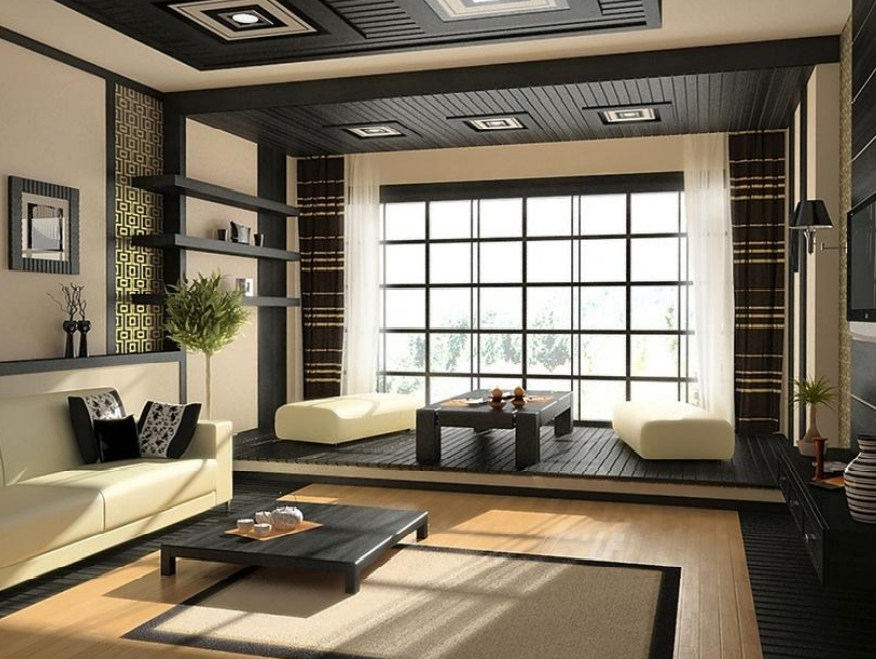
A Japanese zen style palette includes natural and neutral colors; Mostly white, beige, black, and brown. Accent colors must be inspired by the nature, like leafy green, warm yellow, burnt orange, blue, etc. These will complement the predominant neutral base of the Japenese zen interior.
Thiessen Cooper Architects, keeping Zen philosophy in mind, tend to prefer natural elements to bring colors to a Japanese zen style home. Plants like bonsai plants and money plants are an example.
Incorporating minimal artworks is an aesthetic addition as well. Keeping it simple would be the key; a single painting on a wall or a buddha statue could add to your home worth a lot.
5. Lighting
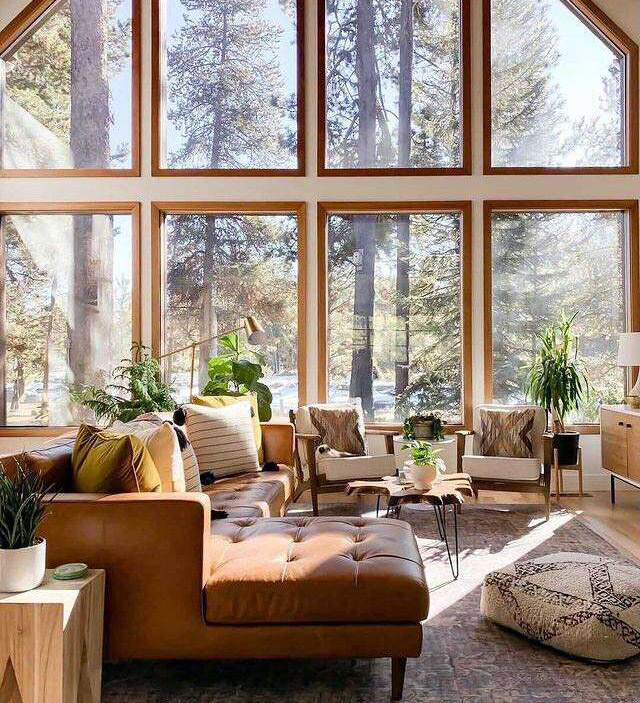
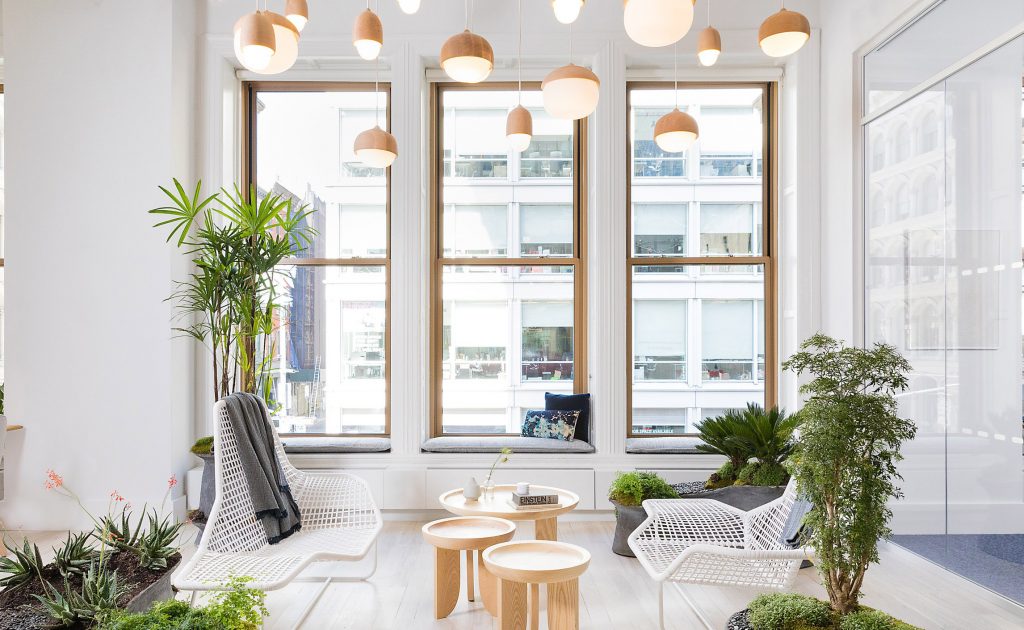
Lighting is a significant part of Japanese zen style homes. Make sure to utilize natural lighting as much as you can. Big windows that allow plenty of sunlight are an ideal choice. Try keeping your windows bare. If you’re not comfortable with that, then light and flowy curtains will be good too.
Sliding doors can be used that traditionally used rice paper, to allow sunlight maximization. Modern and sturdy sliding doors solutions are now available.
Artificial lighting options can be smartly chosen. Traditional switches can be replaced with modern dimmers. These creative and convenient additions will contribute to increasing your home value.
Mirrors reflect light so placing a mirror strategically can result in the illusion of a bigger space and more light in your house.
Final Words
When planning to build a new home, unique and contemporary styles will make its value go up; a Japanese Zen design is a perfect example. Above mentioned 5 principles must have given you an idea of whether this architectural design is your style or not.
However, we would advise you to refer to skilled and experienced architects who are well-educated in this architectural style. Theissen Cooper architects, with their international experience, will be a good choice for it.
You May Also Like…
4 Essential Vastu Shastra Tips to Improve the Positive Energy of Your House
Hello, my name is Mahnoor, and I am an architect with a background in Vastu at Thiessen Cooper Architects. Are you...
A Civil Engineer’s guide to designing a house in the Tropics: 5 must-haves
To cope with the tropical weather conditions, we’ve gathered the 5 most effective building techniques that help...
4 Types of Tiny Houses that are Unique and Budget-Friendly
Are you searching for the different types of tiny houses suitable for you? Then this article will help you reach your...