
5 Easy Tips To Include Japandi Architecture Influences in Your House Design
When you’re searching for different architectural styles to build an eye-catching home, 2 major architectural influences you’ll come across are Scandinavian and Japanese. A mix of both these is called Japandi, a fusion of Japanese minimalism and Scandinavian functionality.
Thiessen Cooper architects, based in the Dutch Caribbean and Suriname, are very passionate about this architectural style and have carefully shortlisted 5 tips that will help you incorporate Japandi design beautifully into your home.
1. Simplicity
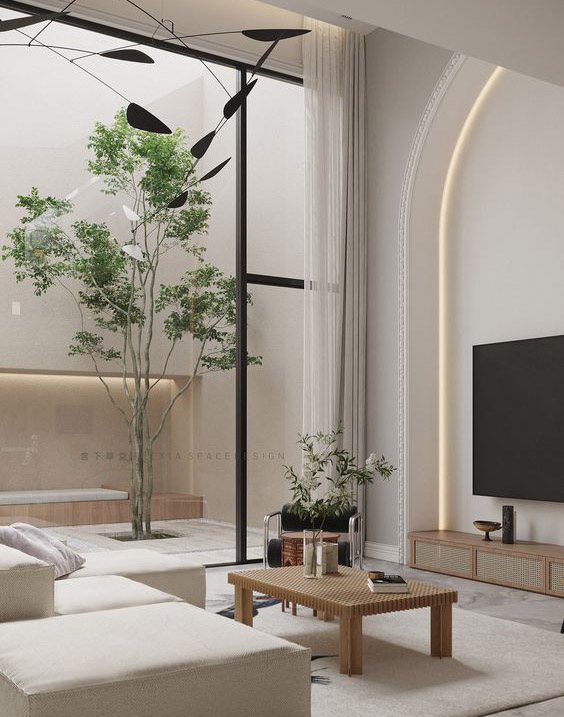
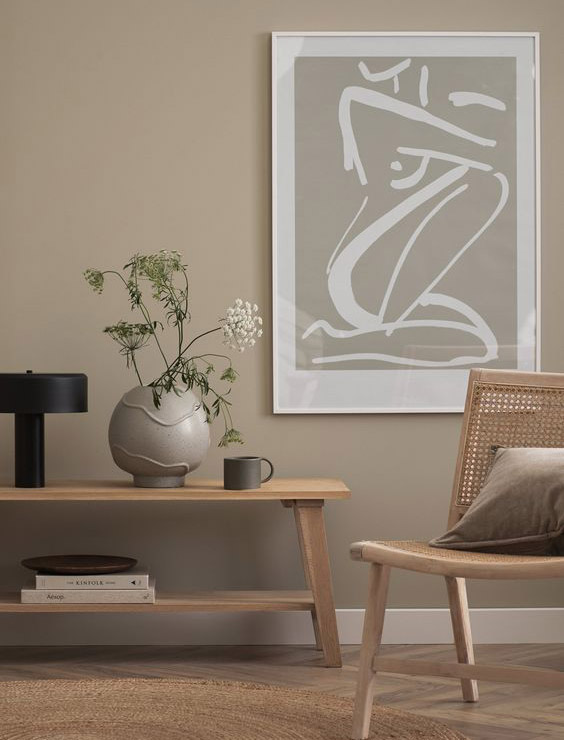
We see many Scandinavian and Japanese core architectural design concepts overlapping, but the key principle in both is Minimalism. Japandi style focuses greatly on an open and clutter-free space.
The Japanese concept of Dan Shari is significant in the Japandi interior as it advocates the discarding of unnecessary items, so you only keep what gives value to you and your home. Applying this lifestyle change will give your home an airy feel which will be pleasant to the eye.
As much as gallery walls are trending nowadays, this architectural design discourages them. This doesn’t mean you can’t display your favorite artworks; you just have to be mindful of keeping them to the minimum. Too much art will divert attention from other aspects of the Japandi interior.
Being a modern architectural firm, we encourage quality over quantity, and if you follow this too, there is a high chance that you’re successful in creating a Japandi home.
2. Walls
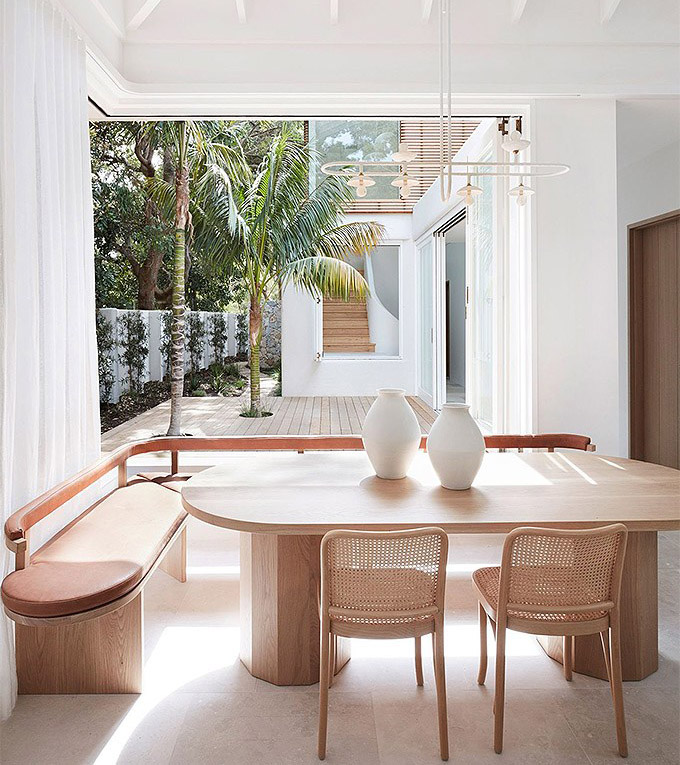
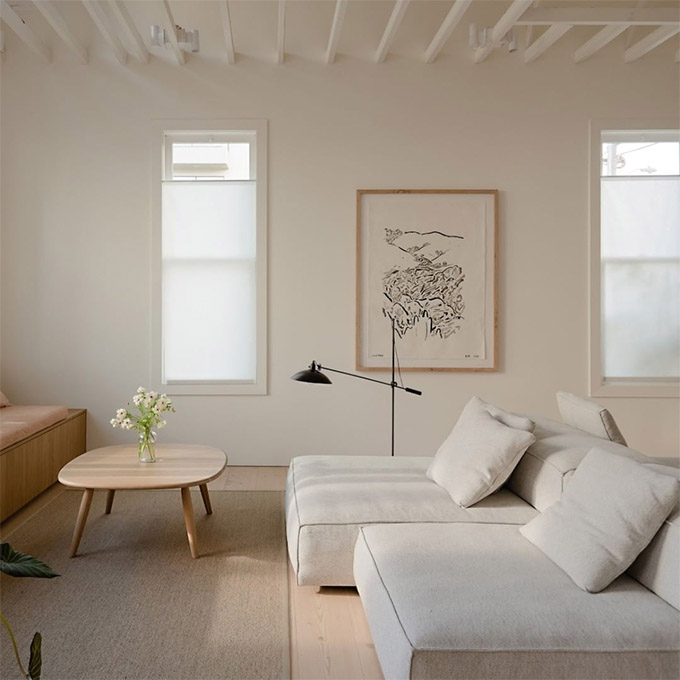
The Scandinavian interior is more inclined towards bright colors and the Japanese interior towards earthy colors. Therefore, the Japandi interior is a mix of both of these, resulting in the use of warm neutrals in most of the interior. If you live in a tropical country, the contrasting colors of the natural beauty in your surroundings will complement this style a lot.
For the wall color, most Japandi interior uses warm white paint for the walls which gives an illusion of a big and airy room. White walls also have a property to bounce light off them and interestingly make use of natural lighting. A place where you get plenty of sunlight all year round is an ideal setting for this.
White walls also go very well with the brown wood tones this style brings with it. The contrast intensifies the aesthetic appeal of the room and gives a soft yet cozy feeling.
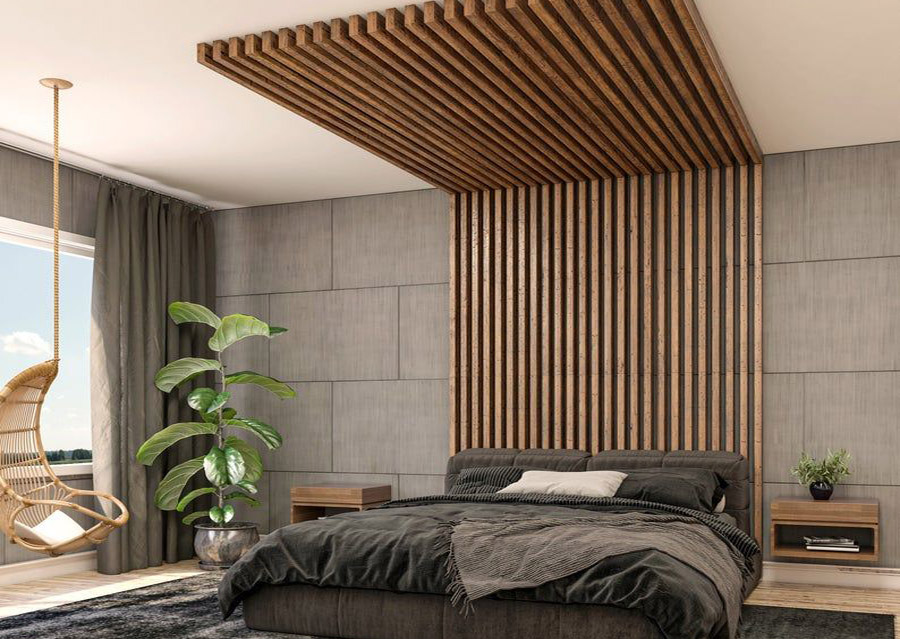
Apart from white, you can select from muted natural hues like blue, green, brown, beige, light grey, etc. If you choose a dark color, make sure you brighten it up with soft pastel colors, like those in the Scandinavian interior.
Japandi interior is also inclusive of patterns. If you’re someone who wants more than the neutral colors then go for subtly patterned wallpaper. It might just make your Japandi design more aesthetically pleasing. Some examples of traditional Japanese patterns that you can introduce are Kikkō (Tortoiseshell), Asanoha (Hemp Leaves), Kōjitsunagi (Interlaced Kō Characters).
One of our favorite additions would be texture in a minimalist Japandi space through the use of wood on the walls; called wood slats. Bamboo or Cedar panels are a traditional approach to this. We love the idea of incorporating this natural element in a white-walled room, making it a beautiful contrast and design element. It brings an additional benefit of soundproofing.
3. Furniture
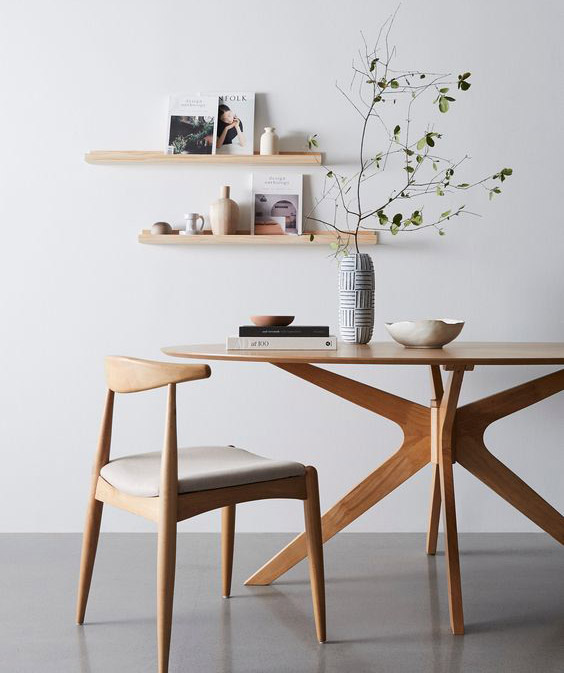
Japandi style house’s secret to an airy and open-looking house is low profile furniture. Using furniture that is smaller in size and height will give a feeling of an uncrowded space and ventilation. This style of furniture also ensures you get plenty of walking space.
The functionality of the furniture is very important. If any of your furniture items provides no purpose then it probably doesn’t belong in a Japandi home. Furniture should be multi-functional and serve at least 1 purpose, if not more, e.g built-in storage is a fantastic addition.
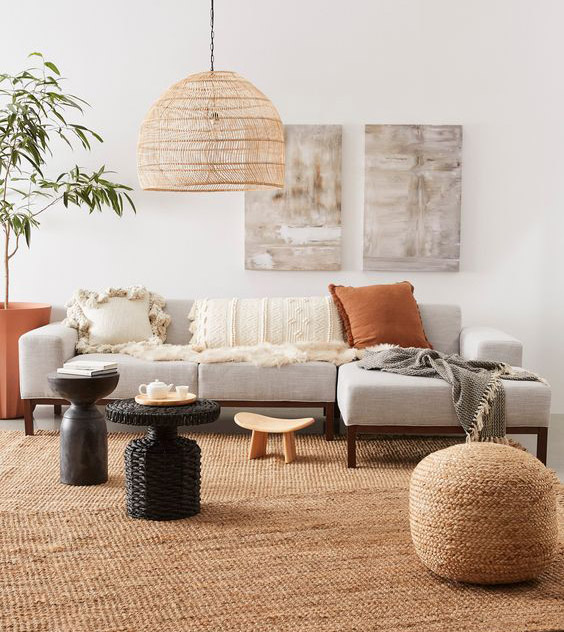
As mentioned above in the article, warm neutrals work best in this architectural design, and placing them in your home will give flow to the interior design as those earthy colors are natural and stress-free for the eye.
If you’re thinking that muted colors will get too boring, don’t worry because Thiessen Cooper architects’ first priority is to try their best to make different interior styles work to your preferences and interests. So if the color scheme doesn’t appeal to you, any beautiful plants, like bonsai and bamboo can be used to contrast the neutral palette.
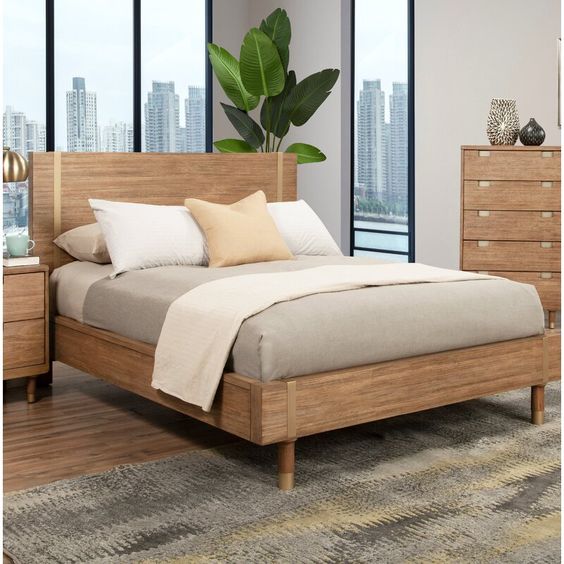
Handmade craftsmanship is appreciated in both Scandinavian and Japanese interiors and it prominently shows in Japandi homes. The woodwork should be top-quality and durable throughout the years. Both light and dark woods can be mixed and matched for an aesthetic appeal.
4. Lighting
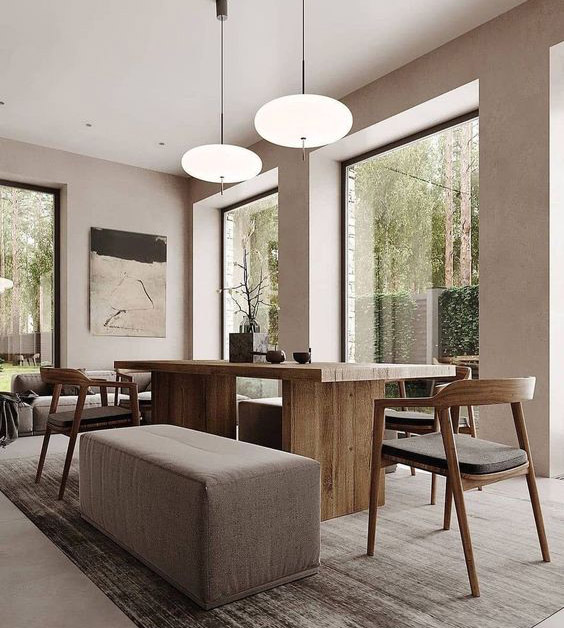
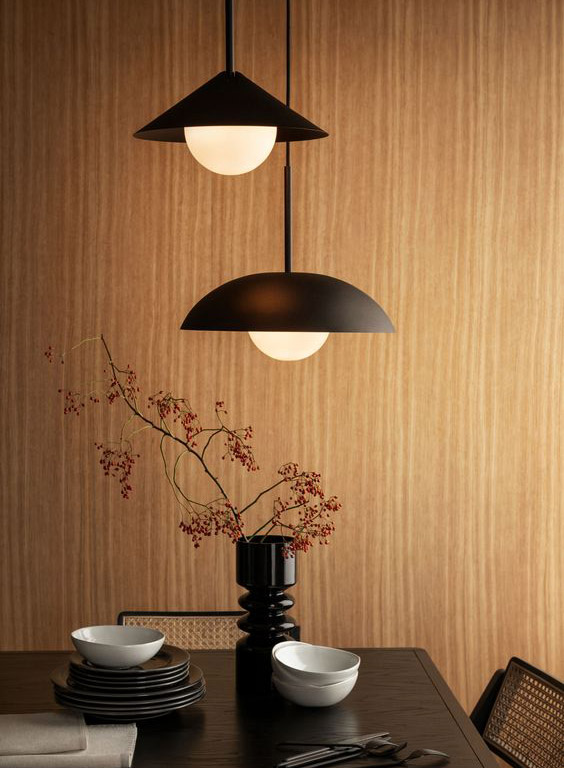
Lighting is an integral element of this architectural style and we want to make use of natural lighting as much as possible. For this purpose, we want big windows, sliding doors that don’t block much light, and mirrors that reflect light.
Our architects love incorporating various artificial lights in a Japandi home. With subtle bedside lamps or over the dining ceiling lights, you can make anything look good with some architectural guidance.
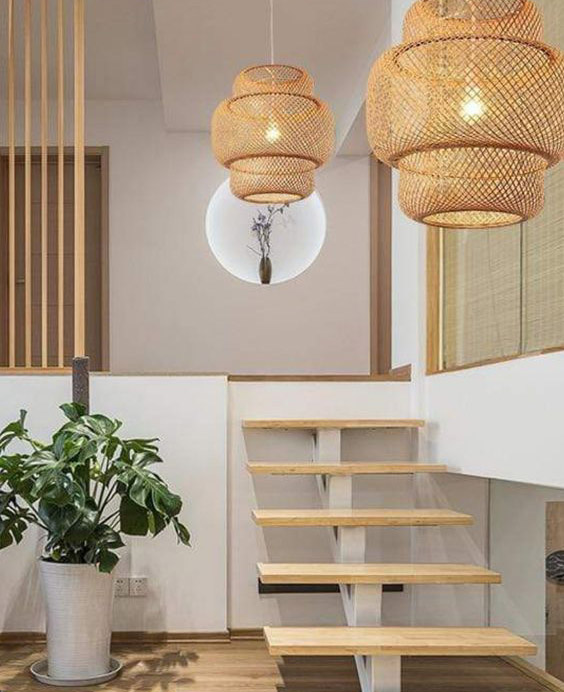
Washi paper and bamboo frame soft paired with warm light create a soft, glowing ambiance in a Japandi home.
5. Flooring

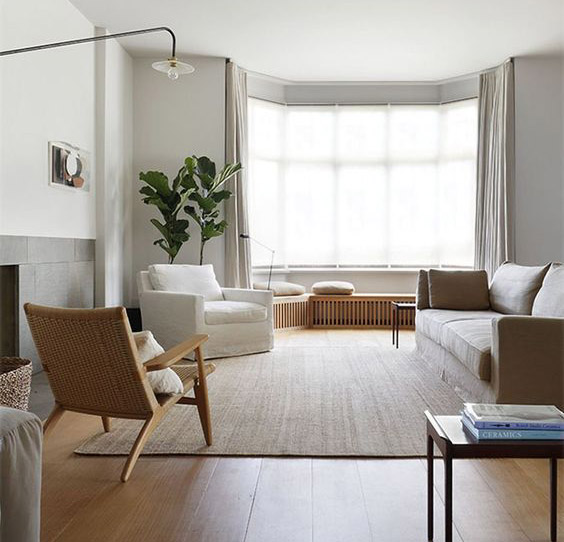
The inspiration Japandi interior gets from natural materials makes hardwood common flooring material. You can choose from dark wood tones and light wood tones, according to your preference. Vinyl flooring is also used quite often due to its affordability. However, hardwood is comparatively more durable, and visually appealing, and has a higher resale value.
We suggest you pair your dark wood floors with contrasting materials as furniture or furnishings to result in an overall balanced look. Simple rugs can also be placed strategically to increase the aesthetic appeal, yet making sure it doesn’t hide the beauty of the wooden floors.
Final Words
If you live in the Caribbean or any Tropical area, the Japandi style will be quite suitable for you. Thiessen Cooper architects can help you in achieving the Japandi minimalist and harmonious balance in your home.
The Tropical climate is what will enhance this interior design’s beauty; white walls will make good use of the abundant sunlight and the natural greenery will give an effortless contrast to the neutral palette of the Japandi style home. So if you live somewhere with these benefits, you should definitely think of building your home Japandi style.
You May Also Like…
4 Essential Vastu Shastra Tips to Improve the Positive Energy of Your House
Hello, my name is Mahnoor, and I am an architect with a background in Vastu at Thiessen Cooper Architects. Are you...
A Civil Engineer’s guide to designing a house in the Tropics: 5 must-haves
To cope with the tropical weather conditions, we’ve gathered the 5 most effective building techniques that help...
4 Types of Tiny Houses that are Unique and Budget-Friendly
Are you searching for the different types of tiny houses suitable for you? Then this article will help you reach your...